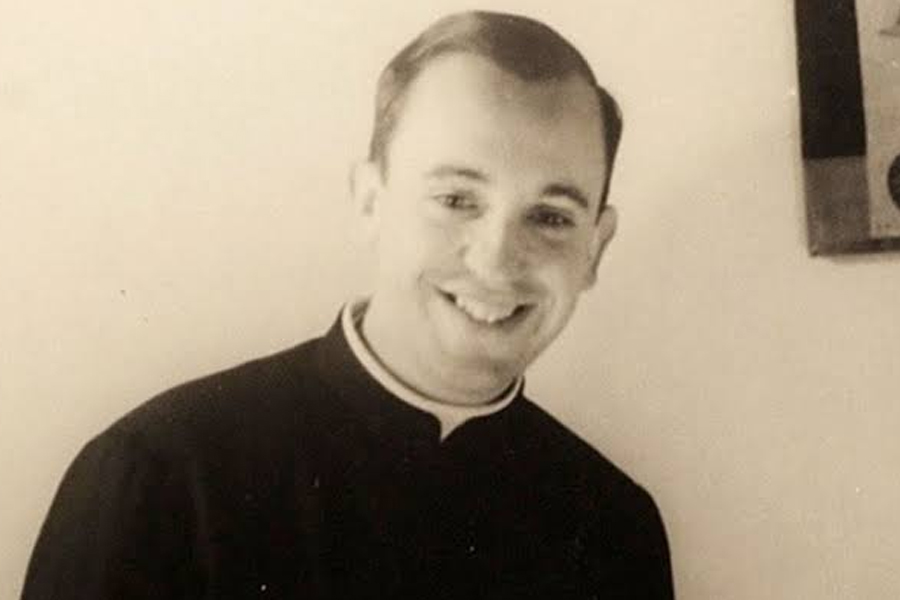
Mario Jose Bergoglio lived a life far removed from public fame, yet his quiet example echoed across generations. When I look at his story, I see far more than the father of Pope Francis. I see an immigrant who crossed an ocean with hope, a devoted husband, a hardworking accountant, and a father whose everyday choices helped shape one of the most influential religious leaders of modern history.
His life reminds me that history is often built not only by famous figures but also by the steady hands working behind the scenes. Like the roots of a great tree hidden beneath the soil, Mario’s values nourished a family whose influence reached the entire world.
Early Life in Italy
Mario Jose Bergoglio was born on April 2, 1908, in the Piedmont region of Italy, often associated with Turin and the nearby Asti area. He was the only child of Giovanni Angelo Bergoglio and Rosa Margherita Vassallo.
Growing up in northern Italy meant living close to the spiritual heritage of Saint John Bosco and the Salesian movement. Those early surroundings would later influence his family in unexpected ways.
Mario qualified as an accountant while still in Italy. His education prepared him for a practical career, but Europe was entering a difficult period marked by economic uncertainty and social change.
The Journey to Argentina
In 1929, Mario emigrated to Argentina with his parents aboard the ship Giulio Cesare. Their migration almost took a tragic turn before it even began.
The family had originally planned to travel on the Principessa Mafalda. Delays in selling their belongings forced them to postpone their departure. Soon afterward, that ship sank in one of the worst maritime disasters involving Italian emigrants. The unexpected delay became a defining family story that Pope Francis would later describe as an example of providence.
After arriving in Argentina on January 25, 1929, the Bergoglio family joined relatives involved in construction and paving projects around Paraná. However, the Great Depression soon disrupted many business opportunities.
Like countless immigrant families, they adapted rather than surrendered.
Building a Career Through Hard Work
Mario accepted several jobs before finding lasting stability.
His career included:
| Period | Occupation |
|---|---|
| Early years in Argentina | Administrative work and factory employment |
| Mid career | Accountant in private industry including a hosiery factory |
| Later career | Accountant for the Argentine state railways |
His stable job with Ferrocarriles Argentinos allowed the family to settle in Flores, Buenos Aires.
The family had moderate middle-class finances. Wealth never defined their family. Education, discipline, and perseverance did.
Marrying Regina Maria Sivori
In the Salesian Basilica of Mary Help of Christians and Saint Charles in Almagro, Buenos Aires, Mario married Regina Maria Sivori on December 12, 1935.
Regina was born in Buenos Aires to Italian immigrants Francisco Sivori and Maria Gogna on November 25, 1911.
Their marriage was based on Catholicism, family, and Italian culture.
They were influenced by Salesian priest Father Enrico Pozzoli. He advised the family spiritually, conducted their wedding, baptized their children, and was a cherished mentor for decades.
A Home Filled With Faith and Culture
When I picture the Bergoglio household, I imagine a home where modest furniture stood beside rich traditions.
Music occupied an important place in family life. Opera was appreciated, while piano and violin lessons were encouraged despite limited financial resources.
Education mattered deeply.
Faith was practiced naturally rather than dramatically.
Italian customs remained alive around the dinner table.
The family also maintained a strong devotion to Mary and actively participated in parish life.
Even during financially difficult years, Mario and Regina invested in their children’s character instead of material comforts.
The Five Bergoglio Children
Mario and Regina raised five children in Buenos Aires.
| Child | Birth | Notes |
|---|---|---|
| Jorge Mario Bergoglio | 1936 | Future Pope Francis |
| Oscar Adrian Bergoglio | 1938 | Lived largely outside public attention and raised a family |
| Marta Regina Bergoglio | 1940 | Married Enrique Jose Narvaja and became the mother of future Jesuit priest Jose Luis Narvaja |
| Alberto Horacio Bergoglio | 1942 | Maintained a private life with little public information available |
| Maria Elena Bergoglio | Approximately 1948 | Youngest child and only surviving sibling following Pope Francis’s death in 2025 |
Each child grew up in the same atmosphere of simplicity, responsibility, and religious commitment.
Mario Jose Bergoglio as a Father
Mario was remembered as a hardworking and affectionate father.
Rather than seeking prestige, he focused on providing stability.
He expected honesty.
He valued education.
He encouraged appreciation for music and culture.
He maintained strong connections to the family’s Italian heritage.
Those daily habits became quiet lessons. Children often learn more from example than instruction, and Mario’s consistency became one of his greatest gifts.
The Strong Salesian Influence
Bergoglio family spiritual growth was greatly influenced by Salesian tradition.
Father Enrico Pozzoli almost joined the family.
Among his influences:
Spiritually guiding Mario following immigration.
Salesian ties introduce Mario and Regina.
1935 wedding celebration.
Baptizing Jorge Mario Bergoglio on Christmas 1936.
Helping the family through financial and personal issues.
Supporting Jorge’s religious career.
Jorge and his brother Oscar attended the Salesian boarding school Colegio Wilfrid Baron de los Santos Angeles in Ramos Mejia after Regina’s youngest child’s birth caused health issues.
Jorge received a well-rounded education that included academics, sports, religion, manual labor, discipline, and service.
He later called those encounters formative.
The Future Pope Begins to Find His Calling
One remarkable chapter unfolded during Jorge’s years with the Salesians.
While attending the boarding school in 1949, he experienced the first signs of his priestly vocation.
Salesian priests encouraged reflection without pressure.
Years later, when Jorge announced his intention to enter the seminary, Father Pozzoli helped reassure his hesitant mother.
Although Jorge eventually entered the Society of Jesus in March 1958 rather than the Salesians, the Salesian influence remained woven throughout his spirituality.
The seeds planted during childhood continued to blossom throughout his priesthood, episcopal ministry, and papacy.
Family Challenges and Resilience
Life was not without hardship.
The Great Depression affected employment opportunities.
Business ventures failed.
The family relocated more than once before settling permanently.
Regina later suffered significant health complications after the birth of her youngest child, including paralysis that limited her physical abilities.
Even under those circumstances, the family remained united.
Their resilience resembled a lighthouse standing firm through rough seas. Difficulties did not erase hope. They strengthened it.
Love of Sports and Everyday Interests
Mario enjoyed sports and shared his enthusiasm with his family.
Like his son Jorge, he supported the football club San Lorenzo de Almagro.
He also enjoyed basketball.
Ironically, basketball became connected with the final chapter of his life.
His Sudden Death
In 1961, Mario Jose Bergoglio died unexpectedly at only 53 years of age.
According to family accounts, he suffered a heart attack while attending or participating in a basketball game.
His early death meant he never witnessed the extraordinary path awaiting his eldest son.
He did not see Jorge become:
- Provincial of the Jesuits.
- Archbishop of Buenos Aires.
- Cardinal.
- Pope in 2013.
- One of the defining religious voices of the twenty first century.
Yet the foundations had already been laid.
The Lasting Family Legacy
Looking at the Bergoglio family, their legacy goes beyond public achievements.
Mario embodied immigrant drive.
Regina sacrificed and persisted.
Their kids reflected household values.
Future Pope Francis stressed humility, service, sympathy for migrants, respect for workers, and concern for ordinary families. Not by chance, those motifs appeared. Through decades of family life in a small Buenos Aires apartment, faith and hard labor silently grew.
FAQ
Who was Mario Jose Bergoglio?
Mario Jose Bergoglio was an Italian born accountant who emigrated to Argentina in 1929. He became the father of Jorge Mario Bergoglio, who later became Pope Francis.
When was Mario Jose Bergoglio born?
He was born on April 2, 1908, in the Piedmont region of Italy near Turin and Asti.
Why did the Bergoglio family move to Argentina?
The family emigrated in 1929 seeking better opportunities. Like many Italian immigrants of that era, they hoped to build a more secure future despite the economic challenges that soon followed.
What was Mario Jose Bergoglio’s profession?
He worked primarily as an accountant. His best known position was with the Argentine state railways, where he enjoyed stable employment for many years.
Who was Mario Jose Bergoglio’s wife?
He married Regina Maria Sivori on December 12, 1935. Together they built a close knit Catholic family centered on education, faith, and Italian traditions.
How many children did Mario and Regina Bergoglio have?
They had five children: Jorge Mario, Oscar Adrian, Marta Regina, Alberto Horacio, and Maria Elena Bergoglio.
How did the Salesians influence the Bergoglio family?
Salesian priest Father Enrico Pozzoli became the family’s spiritual guide. He celebrated Mario and Regina’s marriage, baptized Jorge Mario Bergoglio, encouraged his religious vocation, and supported the family through many important moments.
When did Mario Jose Bergoglio die?
He died in 1961 at approximately 53 years of age after reportedly suffering a heart attack during a basketball game.
How did Mario Jose Bergoglio influence Pope Francis?
His example of humility, disciplined work, devotion to family, and steadfast Catholic faith shaped the environment in which Pope Francis grew up. Those values later became central themes throughout Francis’s ministry and papacy.